
Counseling Programs at The Chicago School
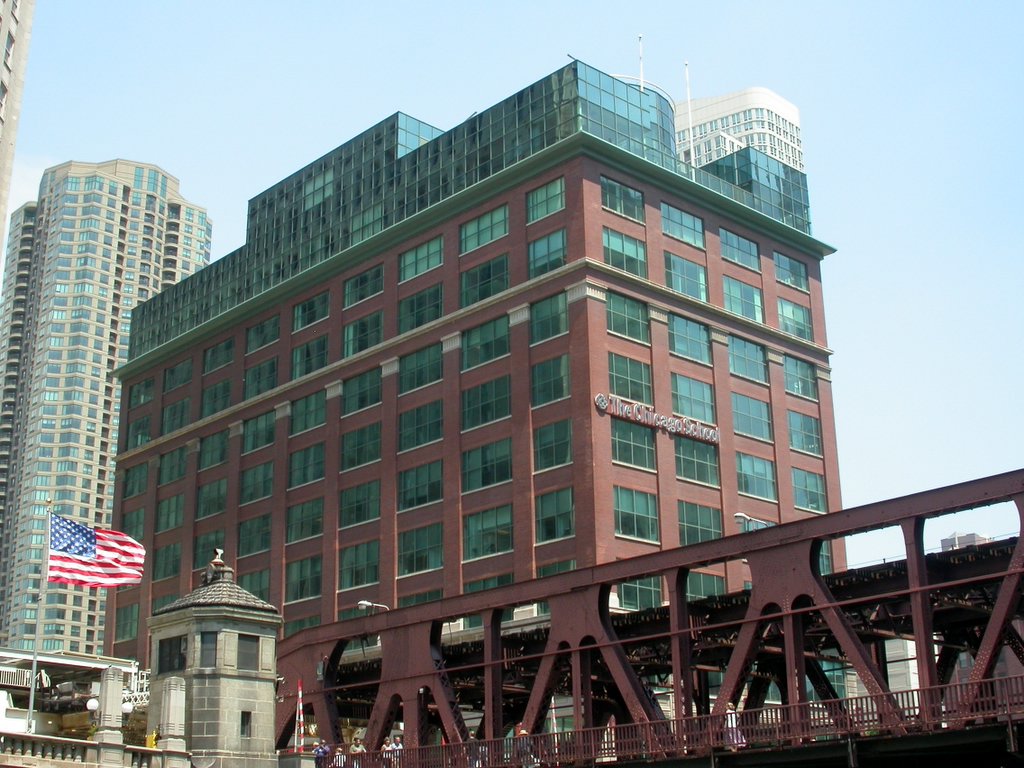
The Chicago School Counseling Programs transform students through educational experiences that prepare them for diverse clinical settings. These programs combine theoretical knowledge with practical skills and focus on three core areas:
- Ethical practice
- Multiculturalism/social justice
- Advanced clinical practice
Students become clinically competent, ethically responsible, and culturally informed counselors who make meaningful contributions to clients and communities. The school emphasizes serving marginalized populations throughout a diverse, global society.
Students who enroll in a counseling program at The Chicago School receive individual-specific advising from dedicated faculty members who guide them through their academic experience. This student-centered approach propels development and creates an inclusive and supportive learning environment.
Most counseling programs at The Chicago School are accredited by the Council for Accreditation of Counseling and Related Educational Programs (CACREP). This accreditation will give the programs high standards in institutional settings, program missions, curriculum content, practicum experiences, student selection, faculty qualifications, program governance, and self-evaluation processes.
The curriculum bridges theory and practice effectively. Students develop essential competencies in counselor identity, ethical understanding, cultural awareness, diagnostic skills, research methods, and advocacy approaches. They also gain specialized knowledge in assessment, prevention, consultation, intervention, and program evaluation.
The educational philosophy uses a scientist-practitioner approach that balances academic rigor with hands-on clinical training. Faculty members bring ground expertise to the classroom and create an intimate learning experience with practical applications.
Graduates can work in various settings such as:
- Couples/family counseling services
- Social service and mental health agencies
- College counseling centers
- Non-profit organizations
- Private practice
The Bureau of Labor Statistics reports job growth for mental health counselors will be “much faster than average” from 2024-2034. This promising outlook shows the growing need for qualified counseling professionals who can help with various mental health challenges including depression, anxiety, grief, stress, relationship difficulties, and suicidal thoughts.
The Chicago School’s counseling programs help students understand the mechanisms that influence human behavior while developing skills to help clients overcome cognitive, behavioral, and emotional issues. These programs provide the foundation to make a meaningful difference in mental health care, whether you’re continuing your psychology education or changing careers.
What counseling programs does The Chicago School offer?
The Chicago School has several counseling programs that align with different career paths and areas of specialization. Students can choose from master’s degrees to doctoral programs, each offering a distinct path to expertise in specific counseling areas.
The M.A. in Counseling Psychology program combines scientific and practical approaches to build core knowledge in psychology and counseling principles. Students learn to assess, understand, diagnose, treat, and support clients who face cognitive, behavioral, and emotional challenges in mental health settings of all types. The program’s six concentrations include Latinx Mental Health, Child & Adolescent Therapy, Treatment of Addiction Disorders, Health Psychology, Trauma & Crisis Intervention, and Marriage & Family Therapy.
Students interested in clinical counseling can pursue the M.A. in Clinical Mental Health Counseling program at several locations—Chicago, Dallas, Washington D.C., and online. These programs hold accreditation from the Council for Accreditation of Counseling and Related Educational Programs (CACREP). The online format combines two required in-person residencies with extensive fieldwork through practicum (100 hours) and internship experiences (600 hours).
The school’s Ph.D. in Counselor Education and Supervision program runs online with two face-to-face residencies. Licensed professional counselors in this doctoral program become leaders who educate, motivate, support, and create change within the counseling field. The curriculum has 100 hours of practicum and 600 hours of internship that cover teaching, supervision, counseling, consultation, research, and professional leadership.
The M.A. in Marriage, Couples, and Family Therapy program helps students master diagnostic, therapeutic, and consultative skills from a systemic and relational perspective. At the doctoral level, the Psy.D. in Marital and Family Therapy gives you skills to take on teaching, research, supervisory, and administrative roles.
These programs showcase the school’s steadfast dedication to preparing mental health professionals who serve diverse populations effectively in clinical settings of all types, from private practice to community agencies and educational institutions.
Internships/Practicum at The Chicago School
The substance of The Chicago School Counseling Programs lies in its ground experience through structured practicum and internship opportunities. Students can apply their theoretical knowledge in clinical settings under professional supervision.
The Chicago School’s field training follows a clear progression. Students start with a 100-hour practicum to build their basic counseling skills through supervised client interactions. They then move on to two consecutive 14-week internships. Each internship needs at least 300 hours, adding up to 700 hours of supervised experience. Weekly supervision sessions happen both on-site and in groups.
Students need to be proactive to find the right placement site. The process starts with evaluating professional interests, training needs, and career goals before selecting potential sites. Most students stay at the same location for both practicum and internship to build on their skills consistently. The Chicago School carefully evaluates all sites to ensure quality standards and proper supervision.
Fieldwork helps students develop several key competencies:
- Self-assessment skills
- Understanding of clients’ worldviews
- Individual and group counseling techniques
- Detailed professional responsibilities
The internship mirrors a clinical mental health counselor’s daily work responsibilities. Students who need more hours to meet state licensure requirements can opt for an advanced internship, which allows up to 900 total internship hours.
The Office of Placement and Training manages these opportunities through more than 3,000 training partnerships nationwide. Dr. Dina Glaser, Senior Director of this office, explains: “We help students put their classroom learning into action and help them make an impact in their community before they even graduate”. The team starts working with students a year ahead to support them through every milestone of their practical training experience.
What sets The Chicago School apart?
The Chicago School Counseling Programs stand out from other institutions in several ways. The program blends education, state-of-the-art methods, community, and real results to create an approach that extends beyond academic theory. Graduates learn to tackle today’s challenges and prepare for tomorrow’s needs in mental health fields.
Career prospects for graduates look substantially better than most other paths. Counselors can expect job growth of 19% from 2023 to 2033, which outpaces average occupational growth rates. The numbers tell a compelling story:
- 91% licensure examination pass rate
- 9% job placement rate within one year of graduation
- 68% program completion rate
The Chicago School’s faculty members are practitioner-scholars who lead actively in their fields. Students learn from professionals with hands-on expertise rather than just theoretical knowledge. The curriculum targets treatment of key mental health conditions such as:
- Depression and anxiety
- Grief and stress
- Relationship difficulties
- Life transitions
- Suicidal ideation
Cultural intelligence sets this program apart even further. Students have contributed over 7,200 hours of service learning worldwide through study abroad opportunities in 44 countries since 2008. These experiences build cultural humility that proves essential when working with diverse populations.
The institution’s 40-year history as a nonprofit speaks volumes about its educational mission. The focus remains steadfast on preparing students to help clients, strengthen communities, and support marginalized populations throughout our global society.
Next steps
Are you ready to start your experience with The Chicago School Counseling Programs? A successful application needs thorough preparation and attention to detail.
The application package must include several essential documents. You need to submit an application form with a $50.00 fee, your resume/CV, and three letters of recommendation. Your official college transcripts should show a GPA of 3.0 or higher. The program also requires an essay that explains your potential contributions to its mission.
GRE scores can make your application stronger, though they aren’t required. Students who haven’t completed specific prerequisites like Research Methods need to fulfill these requirements according to catalog policies.
The admissions team will review your application and may request an interview. Accepted students must pay a deposit by April 15 to reserve their spot.
Space in the program fills up quickly, so early applications have an advantage. International students should plan ahead and apply earlier because of visa processing times.
Accepted students will attend orientation and start their classes, which marks the beginning of their counseling education experience.