
Northern Illinois University Counseling Programs
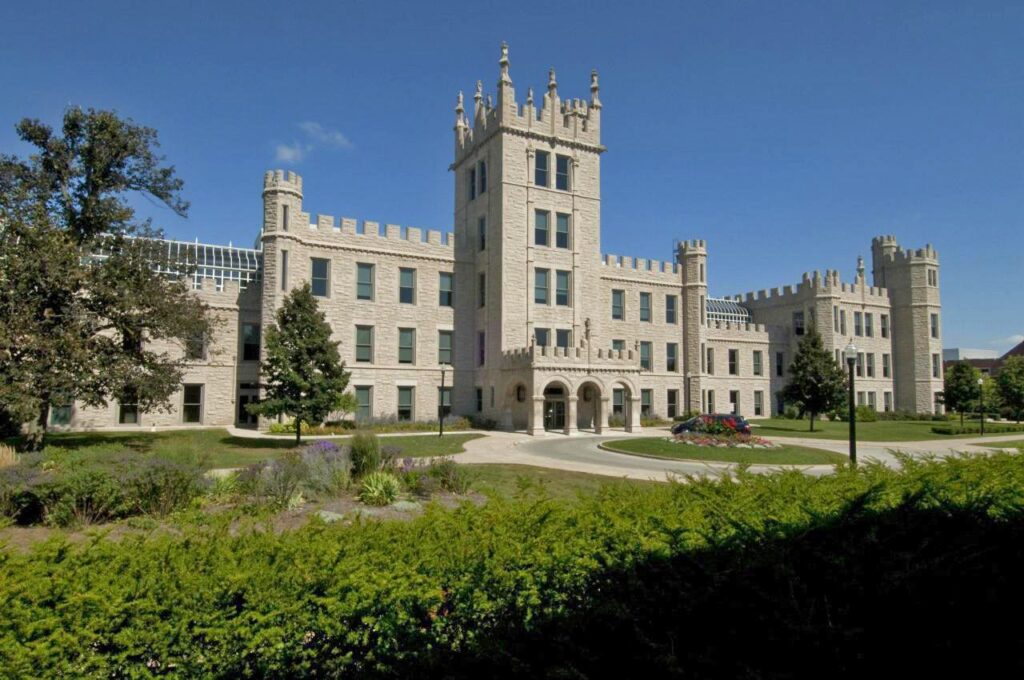
Northern Illinois University runs a nationally accredited (CACREP) Master of Science in Education in Counseling program that gets students ready for professional counseling roles. Students need to complete 60 semester hours to get detailed training in theory, techniques, and everything in professional counseling.
NIU’s counseling school shows remarkable results. The Clinical Mental Health Counseling track has achieved a 92% completion rate. All graduates have passed their licensure exams and found jobs after graduation. The School Counseling program maintains similar success with a 90% completion rate. Every student has passed their licensure exams and 98% have found jobs after graduating.
NIU’s counseling programs have a steadfast dedication to creating culturally competent professionals who serve communities of all types in schools, communities, and higher education. The faculty equips counselors to aid positive change in people’s development and interactions throughout their lives. The program also focuses on creating and using knowledge about counseling techniques and related topics.
The faculty has carefully created both master’s and doctoral programs with learning experiences that build step by step. They use a cohort model where experienced faculty members guide, teach, and supervise students to become highly competent, ethical, and culturally-aware counseling professionals.
Master’s program students can choose between a three-year full-time plan or a four-year part-time program. This setup helps you balance your education with life’s other demands while getting quality training.
Graduates of this program meet all academic requirements set by the Illinois State Board of Education and the National Board for Certified Counselors. You can also customize your studies to focus on either school counseling or clinical mental health counseling through personalized planning.
The Department of Counseling and Higher Education wants to promote high standards of professional education while caring for students’, faculty’s, and community’s needs. They focus on best practices in professional preparation and support both individual and shared efforts in different settings.
NIU’s counseling programs set you up for success through strong academic standards, hands-on experience, and a supportive environment that develops both your professional and personal skills.
What counseling programs does Northern Illinois University offer?
NIU’s Department of Counseling helps students build their careers through graduate and undergraduate programs. Students can choose from two degree programs, specialty certificates, and a minor option that match their career goals.
The master’s program at NIU offers a 60-semester hour M.S.Ed. in Counseling with two specialized tracks:
- Clinical Mental Health Counseling: This track prepares counselors to work in community settings with a 92% completion rate. Students achieve remarkable success – 100% of graduates pass their licensure examinations and find employment after graduation.
- School Counseling: This track prepares professionals to work in educational settings with a 90% completion rate. The results match the clinical track’s success – 100% pass licensure examinations and 98% find jobs after graduation.
NIU’s Ph.D. in Counselor Education and Supervision requires 84 semester hours, with up to 30 hours transferred from a master’s degree. Students learn teaching, research, leadership, advocacy, and supervision through a quasi-cohort model. The program welcomed 32 doctoral students last year, including 12 new students from different parts of the country.
Students can also pursue a Trauma-Informed Counseling Certificate or a Minor in Counseling to learn counseling basics.
Program deadlines are:
- S.Ed. applications for fall semester: January 8
- D. applications for fall semester: Priority deadline November 15; general deadline February 1
- Graduate Certificate applications: July 15
- Minor applications: Open period
The master’s program has 45 semester hours of core requirements plus 15 hours in your chosen specialization. Students study professional ethics, diagnosis, career counseling, counseling skills, theories, standardized testing, group counseling, multicultural counseling, substance abuse, and crisis intervention.
Students must complete supplementary data forms and required tests before attending a mandatory pre-admission workshop. Faculty members select candidates based on their aptitude, ability, and personal qualifications. Each admitted student works with faculty advisors to create a customized study plan.
Internships/Practicum at Northern
Field experience is the foundation of professional counselor preparation at NIU. The practicum and internship give you great ways to get hands-on experience in real-life settings under careful supervision.
Your supervised clinical experience starts with a 100-hour practicum in your second year. This original field experience has at least 40 hours of direct client service. The remaining hours focus on observation, supervision, and documentation. You’ll receive both individual and group supervision from university faculty and site supervisors.
Once you complete the practicum, you’ll move on to internship—an intensive, immersive experience that needs 600 total hours for each specialization. Clinical mental health counseling students usually work in community agencies, hospitals, or private practices. School counseling students complete their internships in elementary, middle, or high schools.
The internship has:
- At least 240 hours of direct client service per specialization
- Weekly individual supervision with site supervisors
- Regular group supervision with university faculty
- Case presentations and skill development activities
- Experience with diverse client populations and concerns
NIU works with many approved sites in the region, helping you build valuable connections with potential employers. Many students get job offers from their internship sites after graduation, which leads to the program’s exceptional employment rates.
You’ll document your hours, get ongoing feedback, and join regular evaluations during these clinical experiences. These assessments help you develop core competencies needed for professional practice and identify areas where you can grow further.
Classroom learning combined with supervised field experience creates a strong educational foundation. By graduation, you’ll have substantial clinical hours that meet licensure requirements and build your confidence as an emerging counseling professional.
Faculty advisors help you choose sites that line up with your career goals and interests. This tailored approach ensures your field experiences challenge and reward you as you prepare for professional practice.
What sets NIU apart?
NIU’s counseling programs stand out from other institutions for several important reasons. The counseling faculty has built both master’s and doctoral programs around a cohort model that provides developmentally appropriate and supported learning experiences. This structure promotes a supportive learning community while experienced faculty offer customized advisement, teaching, and supervision.
Students can choose between a three-year, full-time plan or a four-year part-time schedule. They can balance their education with life commitments without compromising quality.
NIU’s steadfast dedication to excellence shows in their impressive outcomes:
- Clinical Mental Health Counseling program: 92% completion rate with 100% licensure exam pass rate and job placement
- School Counseling program: 90% completion rate with 100% licensure exam pass rate and 98% job placement
The counseling program has received prestigious recognition. The NCACES awarded it the Innovative Counselor Education Program Award for its Ph.D. in Counselor Education and Supervision. NIU also ranks 18th nationally in Rehabilitation Counseling, which shows the program’s outstanding reputation.
The program shapes students into multiculturally and social justice-oriented practitioners. Students learn through critical self-reflection to grow personally and professionally. They graduate as highly competent, ethical, and culturally-responsive counseling professionals.
A graduate shares, “My preparation was excellent because of the professors… Every day, I am using some counseling technique I learned in class or during my internship”. This real-life application of knowledge shows why NIU ranks among the best schools in the country to get a counseling degree.
Next steps
Are you ready to apply to Northern Illinois University’s counseling programs? The application process has a clear structure with specific deadlines and requirements.
The M.S.Ed. in Counseling program accepts applications only for fall semester enrollment, with a firm deadline of January 8th. You need to select your preferred program track and gather all required materials. Your application must include:
- Bachelor’s degree from an accredited institution
- Minimum 2.75 undergraduate GPA (on 4.0 scale)
- Unofficial transcripts
- Proof of English proficiency (if applicable)
Make sure to ask your references about writing recommendation letters. The faculty reviews your application and may invite you to a mandatory pre-admission workshop. They select candidates based on aptitude and personal qualifications.
Once accepted, you’ll work with an assigned advisor to create your individual-specific course plan. Admitted students must pass a Criminal Background Check before starting practicum experiences.
The counseling faculty evaluates your adherence to professional standards throughout the program. Note that you should apply for graduation several months before completion.
This investment leads to remarkable outcomes. Clinical Mental Health Counseling graduates achieve 100% licensure exam pass rates and job placement. School Counseling graduates also see 100% licensure pass rates with 98% job placement.