
Counseling Programs offered at Northeastern Illinois University
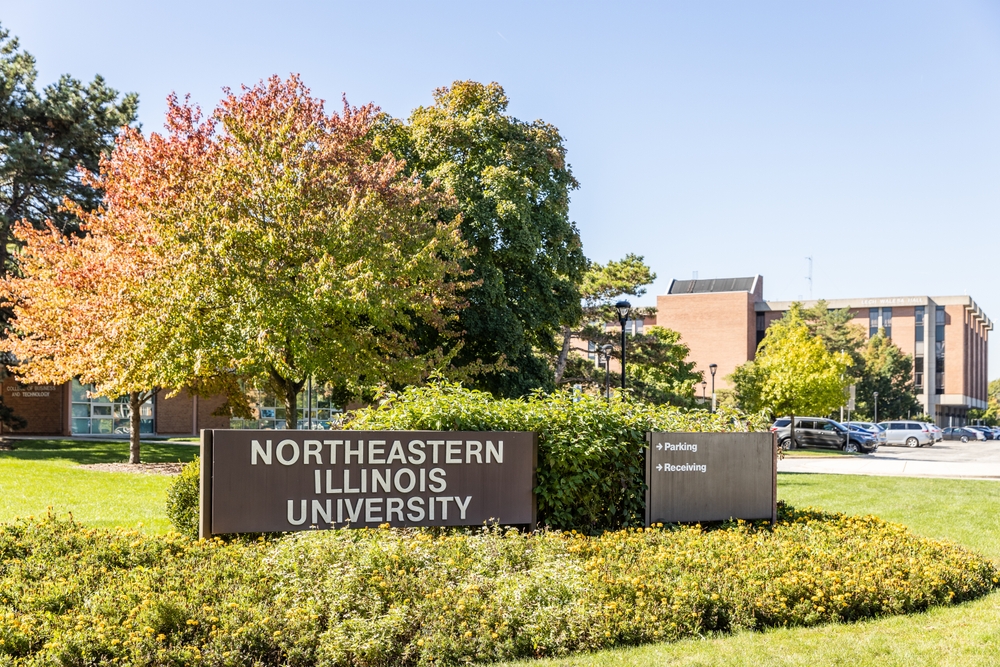
Northeastern Illinois University is a leader in counselor education with its 40-year-old legacy. The Department of Counselor Education offers graduate programs that blend theory with real-life applications. Students get ready for rewarding careers in different counseling specialties.
The counseling programs showcase the department’s steadfast dedication to social justice, advocacy, and structural competence. Faculty members bring their rich field experience to the classroom. They’ve worked as professional counselors and psychologists who served diverse populations through various counseling approaches. This mix of academic knowledge and experience creates an environment where students develop both theoretical understanding and hands-on skills.
Northeastern Illinois University’s counseling programs have accreditation from the Council for Accreditation of Counseling and Related Educational Programs (CACREP) through March 2033. On top of that, the Daniel L. Goodwin College of Education and the Department of Counselor Education hold accreditation from the Council for the Accreditation of Educator Preparation (CAEP) and the Illinois State Board of Education (ISBE). These credentials ensure students receive quality education that meets national standards.
NEIU’s Department of Counselor Education focuses on delivering excellent graduate education through reflective, shared learning. Students learn culturally-sensitive approaches and skills that boost their personal, interpersonal, and professional growth. This prepares them to become skilled counselors in an ever-changing world.
Students can step directly into professional practice after completing these terminal degrees. NEIU’s commitment to diversity shines through its student body. The university ranks among the most ethnically diverse institutions nationwide. Small class sizes and dedicated faculty create the perfect setting for counseling students to thrive.
The U.S. Department of Labor expects mental health counseling jobs to grow by 23% from 2020 through 2030, much faster than other occupations. NEIU’s counseling graduates work in crisis services, community agencies, veterans administration offices, government agencies, and schools throughout Chicago and nearby areas. Many alumni start their private practices after gaining expertise, while others pursue doctoral degrees.
What counseling programs does Northeastern Illinois University offer?
Northeastern Illinois University provides four master’s degree counseling programs with accreditation from the Council for Accreditation of Counseling and Related Educational Programs (CACREP). These programs help students obtain professional licensure and specialized certification in different counseling fields.
Students must complete 60 graduate credit hours in any of the university’s counseling programs. These programs meet Illinois state requirements for counselor licensure. Graduates can earn credentials as Licensed Professional Counselors (LPC) and Licensed Clinical Professional Counselors (LCPC).
NEIU offers these four counseling programs:
- Clinical Mental Health Counseling, M.A. – This program provides a detailed academic curriculum and supervised clinical experiences that integrate CACREP standards. The curriculum focuses on social justice, advocacy, and structural competence to promote diversity, equity, and inclusion.
- Couple and Family Counseling, M.A. – This program’s graduates can obtain Illinois licensure as Associate Licensed Marriage & Family Therapists (ALMFT) and Licensed Marriage & Family Therapists (LMFT). Students can also qualify for the Clinical Fellow credential of the American Association for Marriage and Family Therapy after completing post-degree clinical experience.
- Rehabilitation Counseling, M.A. – The program qualifies students for the Certified Rehabilitation Counselor (CRC) credential. Graduates learn to work effectively with individuals with disabilities.
- School Counseling, M.A. – Students learn to become counselors in elementary, middle, and high schools. The program meets educational requirements for the School Counselor Endorsement and qualifies graduates for an Illinois Professional Educator License with an Endorsement in School Counseling.
NEIU also offers non-degree counseling certificates and endorsement programs. These include Graduate Certificates in Couple and Family Counseling, Rehabilitation Counseling, Trauma-Informed Counseling, and a Non-Degree School Counselor Endorsement.
The programs feature a well-laid-out curriculum of foundation counseling courses, specialization courses, and advanced clinical experiences. Students must complete 700 hours of documented field-related experience during practicum and internship, including at least 280 hours of face-to-face counseling.
Internships/Practicum at Northeastern Illinois
Clinical training is the substance of counseling programs at Northeastern Illinois University. You will develop key counseling skills under expert supervision through structured practicum and internship experiences. These hands-on opportunities connect theory with practice and help you apply classroom learning to real-life counseling situations.
NEIU has a well-laid-out clinical training sequence. Students start with practicum experience in professional counseling environments under controlled settings. After completing the practicum, they head over to internship placements where they take on more responsibility in providing counseling services.
Your clinical training requires 700 hours of documented field-related experience, including 280 hours of direct face-to-face counseling. This extensive clinical work will give a solid foundation of confidence and competence before you enter the profession. The fieldwork spans multiple semesters to help you develop and grow professionally.
The university collaborates with many counseling sites in the Chicago metropolitan area, offering placements in:
- Community mental health agencies
- School districts
- Rehabilitation centers
- College counseling centers
- Family counseling services
- Substance abuse treatment facilities
Site supervisors and university faculty will guide you during clinical training. This dual supervision approach gives complete feedback on your developing skills and professional identity. Students reflect, conceptualize cases, and grow professionally through weekly individual and group supervision sessions.
Practicum and internship experiences are vital stepping stones between academic training and professional practice. Students often find their professional niche during these experiences, which can lead to jobs after graduation. Yes, it is true that connections made during clinical placements become valuable network resources throughout your counseling career.
The clinical training at NEIU shapes you into more than just a graduate with theoretical knowledge. You become a practice-ready professional counselor who can effectively serve people from all walks of life.
What sets NEIU apart?
NEIU’s Department of Counselor Education prepares compassionate, culturally responsive, and ethically grounded counselors through rigorous academic training, experiential learning, and reflective practice. The program’s core focus lies in social justice, advocacy, and structural competence to create systemic change toward greater diversity, equity, and inclusion.
Students gain practical experience at NEIU’s Counseling and Wellness Clinic, a safe and compassionate environment where they develop their skills while helping the community. Licensed professionals provide expert guidance at this clinic, making it an ideal hub for hands-on learning.
The department’s graduates have achieved remarkable job placement rates [link_1]:
- Clinical Mental Health Counseling: 94.1%
- Couple and Family Counseling: 90%
- School Counseling: 100%
Their licensure examination results prove the program’s excellence:
- Clinical Mental Health Counseling: 88%
- Couple and Family Counseling: 100%
- School Counseling: 100% [143]
NEIU students achieved a 91% passing rate on the National Counselor Examination, up from 89% the previous year. School Counseling graduates scored a 94% pass rate on their specialized content test, surpassing the state average of 88%.
The program offers flexible evening courses at both the Main Campus and El Centro location. Students attend weekly classes through traditional lectures, hybrid models that combine face-to-face and online sessions, or fully online courses.
NEIU’s small class sizes and dedicated faculty ensure student success. The university ranks among the nation’s most ethnically diverse institutions, creating an inclusive environment that prepares counselors to serve clients from various backgrounds.
Regular program evaluations incorporate feedback from advisory boards, employers, faculty, and students to enhance curriculum and teaching methods.
Next steps
Ready to begin your counseling trip at NEIU? You need to understand the important deadlines before starting the application process. The complete application must reach us by March 15 for fall enrollment or August 15 for spring enrollment.
Your application package should include official transcripts from all colleges you attended, a current resume, two professional recommendations, a signed informed consent, and a 500-700 word essay that shows how you line up with NEIU’s Counseling Department. School counseling candidates should include a copy of their Professional Educator License if they have one.
The faculty will review your application materials. Qualified candidates will receive an invitation to attend the mandatory Pre-admission Workshop (PAW). This workshop includes group discussions that faculty members lead.
After acceptance, you can register for classes during online registration periods. Before your official admission, you have the option to take one course as a student-at-large: COUN 401 Professional Orientation and Legal/Ethical Practices.
The future looks bright for graduates. Mental health counselors’ job market should grow 23% from 2020 through 2030—significantly faster than other occupations. NEIU graduates work in a variety of settings from crisis counseling to school administration. Many open their private practices or continue with doctoral studies.