
Counseling Programs at Illinois Institute of Technology
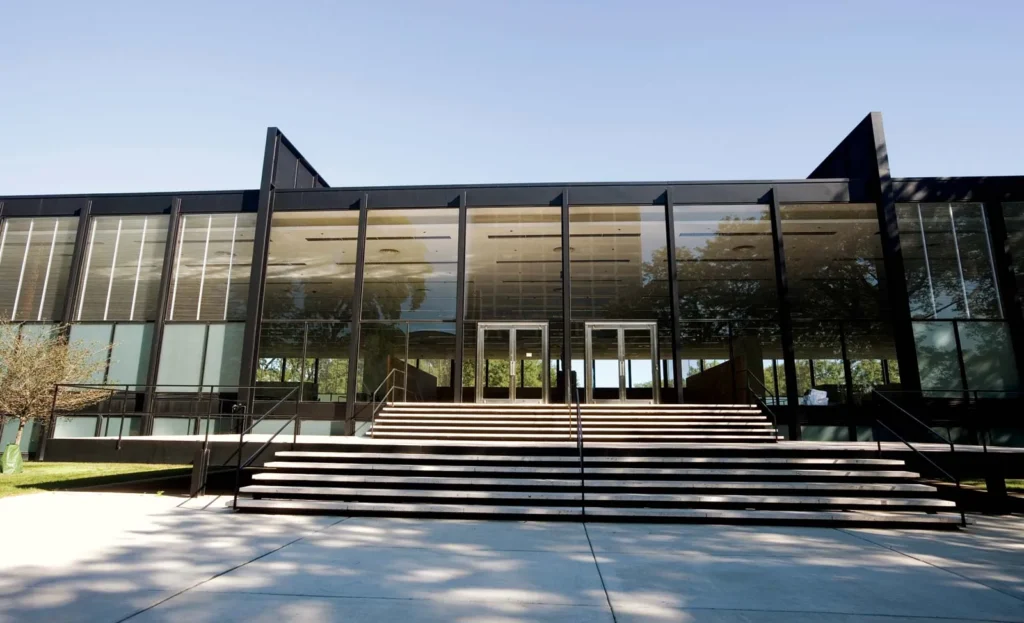
Illinois Institute of Technology leads in counseling education with two notable academic programs. The Clinical Counseling Master’s program teaches students to help people with mental health or disability-related challenges. This CACREP-accredited program lets students specialize in Clinical Rehabilitation Counseling and Clinical Mental Health Counseling. Students learn a strengths-based approach to enable clients toward better mental health and personal wellness.
The university’s PhD in Rehabilitation Counseling Education, 28 years old and accredited by the Council for Accreditation of Counseling and Related Programs (CACREP), trains leaders in rehabilitation counseling. Graduates are ready for advanced counseling, post-secondary teaching, clinical supervision, research, and advocacy work.
Clinical training through fieldwork experiences stands at the heart of both programs. PhD students can supervise master’s students and teach both graduate and undergraduate courses. Master’s students complete practica and internships that match their specialization, gaining hands-on experience beyond classroom learning.
These programs prepare counselors to help people from various backgrounds who face mental illness, disability, or chronic illness. The core team sees rehabilitation counseling as a specialized practice that helps people achieve psychological and economic independence.
Students seeking counseling rather than education can access individual therapy at SHWC, where counselors build trust and respect with each client. The first visit usually lasts 50 minutes. During this intake session, students discuss their concerns with staff who create a personalized treatment plan.
The university has built mutually beneficial alliances with community organizations that provide specialized counseling services. These include Resilience, Life Span, YWCA Metropolitan Chicago, and several culturally-specific services for immigrant, LGBTQIA, and various ethnic communities.
What counseling programs does Illinois Institute of Technology offer?
Illinois Institute of Technology has two counseling programs that prepare students for careers in mental health and rehabilitation services.
Students can complete the Master’s in Clinical Counseling, a 60-credit hour program, in two years of full-time study. The program gives students specialized knowledge in both clinical rehabilitation and mental health counseling. Students can choose their focus area and learn about the vocational, educational, and personal adjustment needs of people with physical, mental, and emotional disabilities.
The master’s program offers two specialization tracks:
- Clinical Mental Health Counseling – This track suits students who want to work with people facing mental health and behavioral challenges. Students gain experience through placements in counseling centers, private practices, mental health facilities, substance abuse treatment centers, and nonprofit organizations.
- Clinical Rehabilitation Counseling – Students interested in working with people with disabilities or in state vocational/private sector rehabilitation choose this track. They get hands-on experience through placements in the state VR system, VA facilities, rehabilitation centers, hospitals, and nonprofit rehabilitation organizations.
Illinois Tech also has a Working Professionals Program that helps people currently hired in mental health or disability-related fields earn their master’s degree while working full-time. Students can complete this program in about three years by attending evening classes and summer weekend sessions.
The university’s Ph.D. in Rehabilitation Counseling Education, which is 28 years old, trains leaders at the highest level. Doctoral students learn teaching skills through curriculum development, course instruction, and clinical supervision of master’s students. Graduates work as educators, counselors, supervisors, researchers, and leaders in the counseling field.
Both programs focus on clinical training through fieldwork experiences. The job market looks promising since the number of available positions for rehabilitation and clinical mental health counselors has consistently exceeded the number of qualified professionals in public, private, nonprofit, and for-profit sectors. This makes Illinois Tech’s counseling program graduates highly valued by employers.
Internships/Practicum at Illinois Tech
Clinical experience is the foundation of counseling education at Illinois Institute of Technology. Students participate in supervised fieldwork that connects classroom theory with ground practice to prepare them for professional licensure and career success.
Students in the Clinical Counseling master’s program complete one semester of supervised practicum for 200 hours. Their final semester requires a full-time supervised internship with 600 hours of applied experience. These experiences must match the student’s declared specialization in Clinical Rehabilitation Counseling or Clinical Mental Health Counseling.
Finding practicum and internship positions works like a professional job search. Faculty members guide students who must research, apply for, and secure their placements. This process helps develop professional independence and networking skills needed for future career growth. The Clinical Coordinator approves all fieldwork placements before students start their experience.
Students must work at sites that offer direct client contact opportunities and let them perform typical professional counselor activities. Site supervisors and faculty supervisors assess students’ progress and clinical skills development throughout these experiences.
Students specializing in Clinical Mental Health Counseling can work at:
- Mental health and counseling centers
- Private practices
- Outpatient mental health facilities
- Behavioral health hospitals
- Substance abuse treatment centers
Clinical Rehabilitation Counseling students complete their fieldwork at:
- State vocational rehabilitation agencies
- Veterans Affairs facilities
- Private sector rehabilitation organizations
- Rehabilitation centers and hospitals
Students create a Fieldwork Experience & Supervision Contract with their site supervisor and faculty advisor during internships. This contract defines expectations, procedures, and policies clearly.
The faculty instructor and student’s individual faculty supervisor determine the final grade based on the site supervisor’s performance evaluations. This full assessment confirms students meet professional standards before they work independently.
What sets IIT apart?
Illinois Institute of Technology’s counseling programs have earned national recognition for their excellence. The rehabilitation counseling education program has climbed four spots to rank #11 in the United States according to U.S. News & World Report’s 2025–26 Best Graduate Schools in America rankings. This rise shows how dedicated the faculty and students are to excellence.
The rehabilitation counseling education program has made its mark since 1995 through a student-focused approach that develops leaders in the field. The program’s master’s and doctoral degrees carry full accreditation from the Council for Accreditation of Counseling and Related Programs (CACREP). This gives graduates a strong edge in the job market.
The counseling programs at Illinois Tech rest on a strengths-based philosophy that enables clients to achieve psychological and economic independence. This core belief shapes the curriculum and clinical training.
The program’s reputation grows stronger thanks to its expert faculty. These educators publish extensively in professional journals and showcase their deep knowledge. Their diverse research interests create an exciting learning environment that benefits students. The rehabilitation counseling education program leads several key research centers at Illinois Tech:
- Center for Health Equity, Education, and Research
- Chicago Health Disparities Center
- National Consortium on Stigma and Empowerment
- Adjusting to Diverse Adversities with People and Technology Psychology Lab
The program is known for its focus on psychiatric rehabilitation. Students learn to help people with mental illness find and keep jobs.
Public, private, nonprofit, and for-profit sectors need more rehabilitation and clinical mental health counselors than are available. This means Illinois Tech graduates have excellent career prospects, with 92.8% finding placement after graduation.
Next steps
Want to start your counseling career at Illinois Institute of Technology? The program accepts applications for fall and spring terms on a rolling basis. Prospective students need to meet several admission requirements. These include a bachelor’s degree with at least 18 credit hours in psychology or related fields, a minimum 3.0 GPA, and two recommendation letters from academic or employer sources. Students must also submit a professional statement and transcripts from all post-secondary institutions.
The program stands out from other graduate programs as it doesn’t require GRE scores. Program finalists will receive invitations to virtual interviews. Accepted students need to pay an enrollment deposit to secure their spot in the program.
Graduates become eligible for valuable certifications based on their chosen specialization. The Clinical Rehabilitation Counseling track prepares students to take the Certified Rehabilitation Counselor (CRC) examination. This distinguished national certification remains a requirement in most rehabilitation settings. Students who complete the Clinical Mental Health Counseling track can take the National Certified Counselor (NCC) exam through the National Board for Certified Counselors.
Students who pass either exam qualify as Licensed Professional Counselors (LPC) in Illinois. They can pursue Licensed Clinical Professional Counselor (LCPC) status after completing two years of supervised clinical work. Students who plan to practice in other states should check their state’s specific licensure requirements.