
Concordia University Chicago Counseling Programs
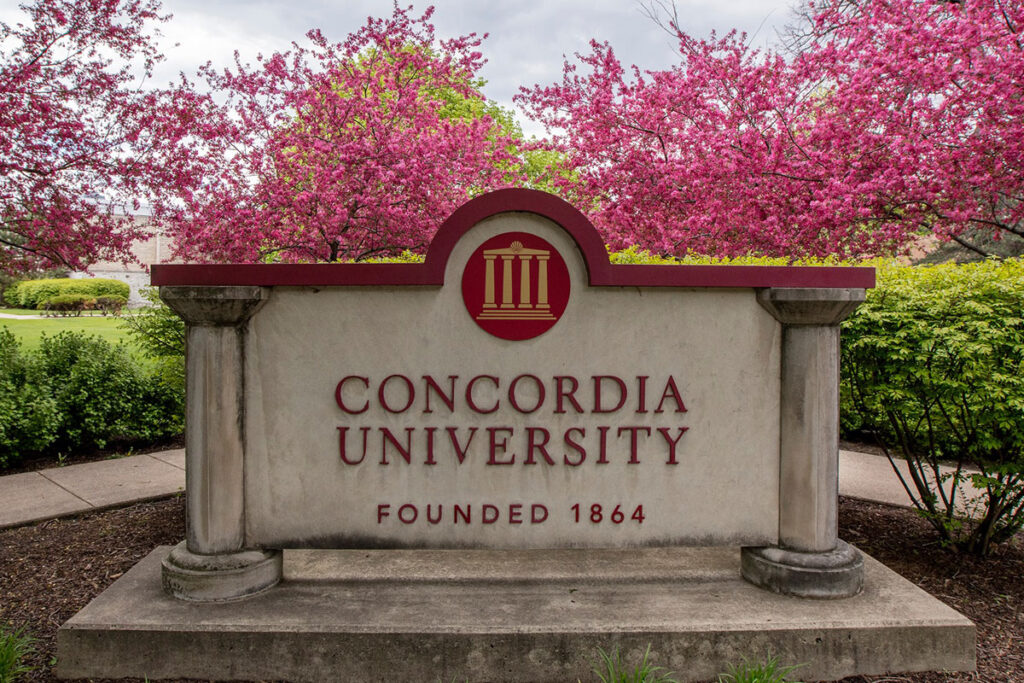
Concordia University Chicago leads counseling education by combining professional excellence with faith-based values. The university provides two distinct counseling programs that prepare graduates for meaningful careers in different settings.
The Clinical Mental Health Counseling Program (CMHC) at Concordia gives students detailed professional knowledge and skills to address complex human issues and enable diverse populations. This CACREP-accredited program creates qualified entry-level counselors who can work in community agencies, residential facilities, social service organizations, hospitals, religious institutions, and private practice. The curriculum aligns with educational components of the Licensed Professional Counselor examination in Illinois.
The program stands out through its focus on Christian beliefs that develop integrity, competency, and leadership. Students complete 60 semester hours of coursework that balance theoretical foundations with practical application. Faculty members boost personal and professional growth by promoting self-reflection, values clarification, and technique development.
The School Counseling program shapes professionals for roles in elementary, middle, and high school settings. Students learn individual and group counseling services while developing consultation skills to work with teachers, parents, and administrators. Graduates can apply for the Illinois Professional Educator’s License with School Service Personnel Endorsement K-12 (formerly Type 73).
This program follows the American School Counselor Association (ASCA) national model and emphasizes developmental classroom leadership and responsive services. Students learn to lead initiatives focused on students’ academic, career, and personal/social development while coordinating testing and assessment in schools.
Both programs reflect Concordia’s dedication to quality health and wellness care through an integrated approach to counseling education. The university believes counselors need technical competence alongside ethical practice and self-awareness.
Concordia University Chicago fulfills its mission by preparing counselors who can handle modern mental health challenges while upholding high professional standards. The balanced approach combines rigorous academic preparation with values-based education to create a unique learning environment for future counseling professionals.
What counseling programs does Concordia University Chicago offer?
Concordia University Chicago’s Division of Social Sciences and Human Services has two detailed graduate-level counseling programs. These programs help students build distinctive careers in the mental health field.
The Clinical Mental Health Counseling (CMHC) program needs 60 semester hours of coursework. It enables graduates to help people with complex issues and support diverse populations. The program has 48 hours of counselor education courses that cover everything from counseling theory to interventions, career counseling, human development, ethics, multicultural counseling, and psychopathology. Students also complete 9 hours of clinical experience. This includes a 100-hour practicum (40 hours direct service) and a 600-hour internship (240 hours direct service) over two semesters.
The CMHC program’s graduates enjoy a remarkable 95% job placement rate. They can work in community agencies, residential facilities, social service organizations, hospitals, religious institutions, and private practice. The program prepares students to take the Licensed Professional Counselor examination in Illinois.
The School Counseling program takes a different path. It prepares counselors specifically to work in elementary, middle, and high school settings. Students who complete the curriculum meet certification requirements for the State of Illinois. They become eligible for the Illinois Professional Educator’s License with School Service Personnel Certificate K-12 (formerly Type 73).
The School Counseling program has two distinct tracks:
- Track One: If you have a valid Illinois Professional Educator License (PEL), you need to complete the program coursework and Master’s Capstone Experience
- Track Two: If you don’t have a valid Illinois PEL, you must take extra courses and show specific competencies beyond the 51-hour program portion before starting practicum/internship
Both programs focus on developing professional identity, ethical practice, and multicultural competence. School Counseling students build a detailed portfolio during their practicum. They create a developmental program that shows how to increase student success in multiple areas.
These programs combine thorough coursework with supervised clinical experiences. They create counselors who maintain high professional standards and blend theory, technique, and ethics throughout their careers.
Internships/Practicum at Concordia
Clinical training is the life-blood of Concordia University Chicago counseling program. Students get real-life professional experiences that make their classroom education come alive. The program has well-laid-out practicum and internship requirements to help students develop their clinical skills.
Clinical Mental Health Counseling students start with a 100-hour practicum. They complete 40 hours of direct service and 60 hours of non-direct work in a 16-week semester. This original experience helps students learn various counseling functions under supervision. Students then move on to a detailed 600-hour internship. The internship splits into two semesters (Internship I and II), with 240 direct service hours and 360 non-direct hours.
School Counseling requirements vary based on teaching credentials. Students with valid Illinois teaching certificates complete a two-semester internship totaling 400 hours – 200 hours each semester. Students without teaching certificates or those seeking additional LPC licensure must complete 600 total internship hours – 300 per semester.
Supervision plays a key role throughout these experiences. Students receive both university and community supervision. Their work evaluation comes from video/audio recordings, live observations, and course interactions. Students apply their classroom knowledge directly to client work in approved settings.
Clinical Mental Health Counseling students take a detailed multiple-choice examination during their practicum semester. This capstone experience helps them prepare for the National Counselor Exam needed for state licensure.
Students have built valuable professional networks through internships at prestigious Chicago sites. These locations include:
- Advocate Hospice
- Loretto Hospital
- Thresholds
- Linden Oaks at Edwards Hospital
- Lutheran Child & Family Services
Students should check their program’s practicum and internship manual for specific requirements. Concordia’s well-laid-out clinical experiences help create counseling professionals who can turn theoretical knowledge into practical client care in a variety of settings.
What sets CUC apart?
Concordia University Chicago’s counseling programs stand out from other options that prepare mental health professionals.
The Clinical Mental Health Counseling program has earned full accreditation from the Council for Accreditation of Counseling and Related Educational Programs (CACREP) until October 2027. This recognition shows that the program meets national standards for counselor education. The program’s eight-year accreditation cycle proves its excellence in preparing counselors.
Recent numbers tell a compelling story about the program’s success. During the 2023-2024 academic year, 78% of students completed the Clinical Mental Health Counseling program. The results get better – 88% of CMHC students passed the National Counselor Exam, which they need for professional licensure in Illinois.
The program’s job placement rate is a remarkable 97%. Most CMHC graduates get job offers right from their internship sites. These numbers show how much employers value the program’s clinical training.
CUC gives students a unique experience with different ways to learn:
- Traditional face-to-face classes one evening per week
- Hybrid courses blending online and synchronous learning
- Fully online asynchronous summer courses that work around family schedules
Students can access courses across Illinois easily. Classes run regularly from Rockford in the west to Joliet in the south and up to the Wisconsin border.
Christian values add another special dimension to the program. Faculty help students grow both academically and personally. They encourage self-reflection, values clarification, and technique development. This approach creates counselors who blend theory, technique, and ethics into their professional identity.
These qualities make Concordia University Chicago’s counseling programs perfect for anyone who wants quality education with practical flexibility and strong career outcomes.
Next steps
Are you ready to start your educational experience at Concordia University Chicago’s counseling program? You can apply through rolling admissions for fall, spring, and summer semesters. Clinical Mental Health Counseling accepts students only in fall and spring.
Prospective students should submit their admission documents through the application portal or send them to the Graduate Admission Office. After securing your seat, you’ll need to have official, sealed academic transcripts sent to Concordia from your degree-granting institutions.
The application requires several additional documents:
- An objective statement (minimum 2 paragraphs) that outlines your educational goals
- Two letters of recommendation
- Graduate registration form
- Counseling-specific essay questions (250-300 words each)
Students seeking financial assistance can complete the FAFSA online or ask about the Pay-As-You-Go plan through the Business Services Office.
The program’s graduation requirements include:
- 60 semester hours completion for Clinical Mental Health Counseling
- Passing the capstone experience (detailed exam during practicum)
- Clinical experiences including practicum (100 hours) and internship (600 hours total)
- A minimum 3.0 cumulative GPA
Students must submit their Intent to Graduate form to the Office of the Registrar by the published deadline. They need to clear all administrative obligations to receive their transcripts and diploma.