
Counseling Programs Available at Southern Illinois University at Carbondale
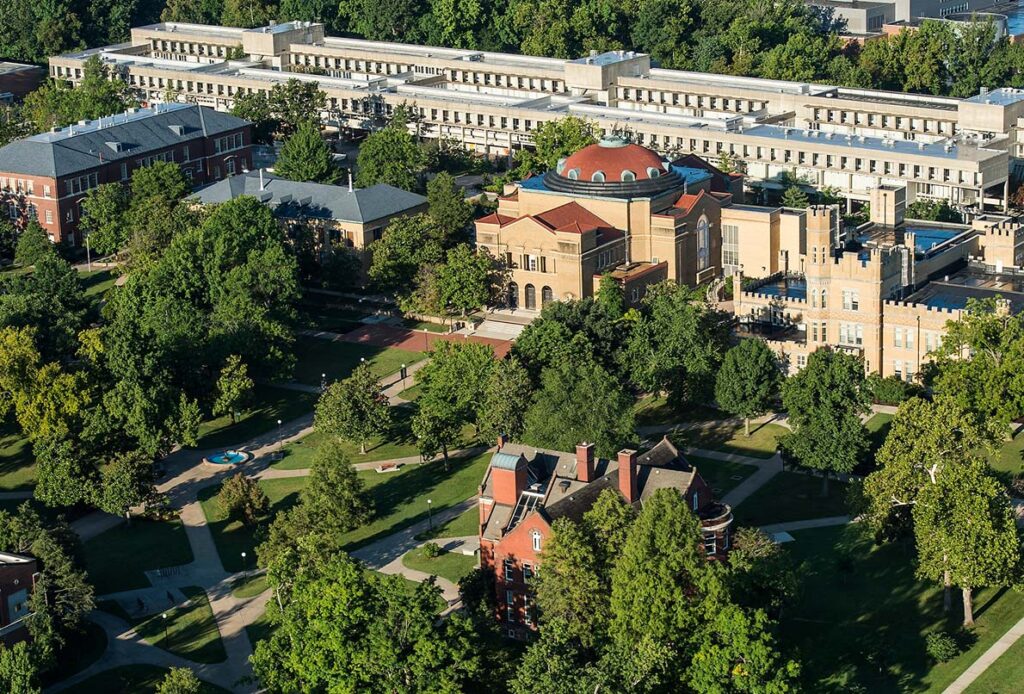
Looking for outstanding counseling programs that lead to success on the ground? The counseling programs at Southern Illinois University at Carbondale provide complete education paths that help you become a qualified professional ready to make an impact.
SIU Carbondale is among psychology graduate programs and masters in counseling options in Illinois. The Master of Science in Clinical Rehabilitation and Mental Health Counseling program gives you excellent clinical education and deep insights into the cultural, socioeconomic, and societal challenges people face. The Counseling Psychology program has maintained American Psychological Association accreditation since 1961 and teaches a broad range of skills that prepare you to work as a scientist-practitioner.
These programs open doors to several professional certifications. Graduates can become National Certified Counselors, Illinois Licensed Professional Counselors, and Certified Rehabilitation Counselors. Your career opportunities span university settings, hospitals, community agencies, and educational and correctional institutions.
What counseling programs does Southern Illinois University at Carbondale offer?
SIU Carbondale’s Master of Science degree in Counseling and Rehabilitation Education (CARE) stands out with two specialized concentration options. The program distinguishes itself from other psychology graduate programs in Illinois by combining academic coursework with hands-on clinical experiences.
Students in the Counseling and Rehabilitation Education program need 61 credit hours minimum to develop the knowledge and skills needed for successful careers as professional counselors. You’ll build a strong counseling foundation while gaining expertise in your chosen concentration.
Clinical Mental Health Counseling Concentration
This concentration readies you for mental health counseling careers helping people of all ages in a variety of settings. The required coursework has:
- CARE 501: Introduction to Clinical Mental Health Counseling (3 CH)
- CARE 503: Introduction to Marriage, Couple, and Family Counseling (3 CH)
- CARE 535: Special Topics in Clinical Counseling (3 CH)
- CARE 546: Crisis Assessment & Counseling (3 CH)
Graduates can work in agencies, group practices, substance abuse treatment centers, hospitals, residential treatment centers, employee assistance programs, correctional facilities, and private practice.
Clinical Rehabilitation Counseling Concentration
This path prepares counselors to work with people who have physical, developmental, sensory, cognitive, and mental health disabilities in public, private, and community-funded settings. The required program of study has:
- CARE 551: Clinical Rehabilitation Counseling: Theory and Practice (3 CH)
- CARE 513: Medical and Psychosocial Aspects of Disability (3 CH)
- CARE 575: Clinical Rehabilitation Case Management (3 CH)
- CARE 533: Vocational Testing and Measurement (3 CH)
Mental and physical health’s connection forms a central theme in this concentration. Clinical rehabilitation counselors work together with social workers, physical therapists, and physicians to develop detailed care plans.
Additional Program Options
SIU Carbondale offers a certificate program that prepares students for the Certified Alcohol Drug Counselor (CADC) examination in Illinois. Requirements include:
- 15 total credit hours of required coursework
- An academic discipline-based 500-hour internship (eight credit hours) in an approved clinical setting
Note that these courses can’t replace required CARE master’s degree courses or count as a specialization under the CARE program.
Undergraduates can pursue a minor in Counseling and Rehabilitation Education by completing 15 credit hours at SIU. The minor complements related majors by teaching about various disorders, addictions, and treatment approaches. Students must keep a minimum 2.0 GPA.
Accreditation and Professional Recognition
The Council for Accreditation of Counseling and Related Educational Programs (CACREP) accredits SIU Carbondale’s Counseling and Rehabilitation Education program. The coursework meets educational requirements for certification and licensure in many states, though not all.
SIU Carbondale’s masters in counseling program gives Illinois students a distinctive education that covers theories, methods, ethics, multiculturalism, sexual orientation, disabilities, counseling skills, and substance abuse/addiction.
Internships/Practicum at SIU Carbondale
SIU Carbondale’s counseling education program puts hands-on training at its heart. Students get exceptional practical experience through well-laid-out practicum and internship opportunities. These clinical experiences help bridge the gap between what you learn in class and how you’ll work with real clients.
The Counseling and Rehabilitation Education (CARE) program has two main parts. Your practicum needs 100 total hours, and 40 of those must be direct client work in individual and group settings. The internship is more intensive with 600 hours across several semesters, including 240 hours of direct service. You’ll need to finish your core courses and get approval from the Clinical Coordinator before starting.
Students can start their training at SIU Carbondale’s Counseling and Psychological Services (CAPS). First and second-year graduate students from Clinical Psychology, Social Work, and Rehabilitation Counseling work with 1-4 individual clients and receive weekly one-on-one supervision. Advanced practicum students see 5-10 clients weekly, handle intake assessments, and can take part in crisis counseling and community work.
The Community Care and Education Center (CCEC) gives students another great training option. It’s an interdisciplinary hub where clinical services meet social support. Students learn to work with people of all ages who have autism spectrum disorders, developmental disorders, and severe mental illness.
Good supervision stays central to your growth. During practicum, you’ll have both group and triadic supervision sessions. Clinical coordinators and site supervisors review recorded sessions. The CARE program uses Tevera, a digital platform to track clinical documentation during Pre-Practicum. This system helps track client hours and makes supervisor evaluations easier at midterm and semester end.
The university works with many community partners. Students can train at mental health centers, substance use treatment facilities, schools, residential treatment centers, and vocational programs. Touch of Nature, an environmental center helping veterans and people with mental health challenges, is one such partner.
Your skills in communication, case planning, and organization will be reviewed throughout. This detailed training combines theory and hands-on work in different settings to prepare you for professional practice.
What sets SIU Carbondale apart?
SIU Carbondale’s Counseling and Rehabilitation Education (CARE) program ranks among the elite psychology graduate programs in Illinois with its track record of excellence. Ranked sixth nationwide according to U.S. News & World Report, the program has been a top choice for aspiring counselors.
This masters in counseling Illinois program has a groundbreaking history. SIU created the first rehabilitation counseling program in the nation over 50 years ago. The program has grown into one of the largest and most complete counseling training programs today.
Students learn a social justice approach to advocacy that makes this program unique. CARE graduates know how to challenge oppressive systems of power and privilege that affect both counselors and their clients. They also show unique skills when working with diverse cultural variables in counseling.
The program holds Council for Accreditation of Counseling and Related Educational Programs (CACREP) accreditation. CARE’s faculty includes national leaders known for their breakthroughs and creativity.
Students can specialize in needed areas beyond standard counseling education. The program lets them earn their Certified Alcohol Drug Counselor (CADC) credential through extra courses. The Illinois Certification Board has accredited it as an Advanced Training Program for CADCs.
Strong connections with the community give students real-life experience. They complete internships at mental health centers, government agencies, treatment facilities, educational settings, and medical centers. This hands-on experience makes graduates valuable to employers.
Next steps
Southern Illinois University at Carbondale is the perfect place for future counseling professionals to get detailed education and hands-on experience. This piece highlights the Master of Science in Counseling and Rehabilitation Education program with specialized tracks in Clinical Mental Health Counseling and Clinical Rehabilitation Counseling. The program also offers great certificate options like the Certified Alcohol Drug Counselor pathway that boost your career prospects by a lot.
SIU Carbondale stands out for several key reasons. The university started the country’s first rehabilitation counseling program 50 years ago. Today, it has grown into one of the most detailed counseling training programs around. This rich history has helped earn it the sixth spot nationally in U.S. News & World Report rankings.
The program’s hands-on training makes it unique. Students complete 100 hours of practicum and 600 hours of internship experience before they’re ready to practice in a variety of settings. These clinical experiences, plus careful supervision and mutually beneficial alliances with community organizations, help students build core skills with expert guidance.
CACREP accreditation confirms the program’s educational quality. The program’s social justice focus helps students tackle systemic challenges that affect both counselors and clients. National leaders who serve as faculty members teach beyond theory to cover ethics, multiculturalism, and specialized counseling techniques.
SIU Carbondale gives you everything you need to succeed in mental health centers, educational institutions, rehabilitation facilities, or private practice. Students graduate ready to make real changes in their clients’ lives, thanks to detailed education and extensive practical training.