
Quincy University Counseling Programs
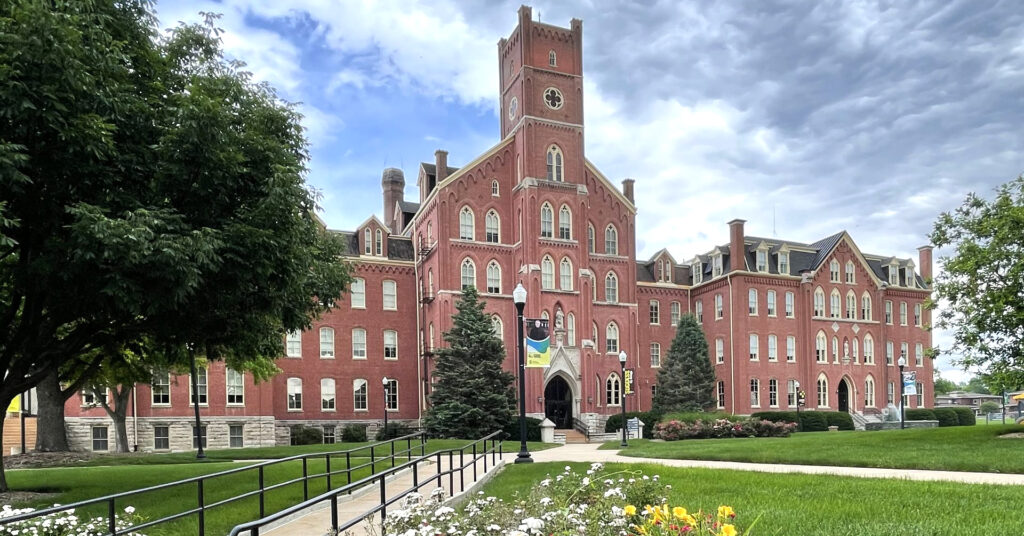
Quincy University’s Master of Science in Education in Counseling and College Student Personnel program creates meaningful careers in counseling. This Franciscan values-based program is the only CACREP-accredited counseling program within a 100-mile radius. Students benefit from a unique combination of academic excellence and hands-on training.
The school’s mission shapes competent professional counselors through academic rigor, practical experience, self-reflection, and community service. Graduates leave with both theoretical knowledge and practical skills needed in real-life counseling situations.
You’ll be ready to work in a variety of settings after completing this counseling program. Career opportunities include community agencies, government organizations, private practice, elementary through secondary schools, and student-focused roles in higher education.
Working professionals will appreciate the program’s flexible structure. Classes meet one evening each week for three to four hours. Students typically take two courses per semester, including summer sessions, and complete the program in about three years. This schedule lets you balance education with other commitments.
Full accreditation by the Council for Accreditation of Counseling and Related Educational Programs (CACREP) shows the program’s high professional standards. The Clinical Mental Health Counseling program has earned national recognition for its affordability and quality.
The program stands out for developing counselors as ethical, reflective practitioners and Servant-Leaders. Students grow into professionals who value:
- Lifelong learning
- Social justice
- Diversity in practice and worldview
Students receive a complete education in eight key counseling areas recognized by CACREP and the National Board for Certified Counselors: Professional Orientation and Ethical Practice, Social and Cultural Diversity, Human Growth and Development, Career Development, Helping Relationships, Group Work, Assessment, and Research and Program Evaluation.
The university also offers membership in Chi Sigma Iota, an international honor society that recognizes excellence in counseling.
Quincy University’s balanced approach creates graduates who combine technical expertise with personal qualities that make lasting impacts on their clients’ lives.
What counseling programs does Quincy University offer?
Quincy University’s counseling department offers three graduate-level programs that prepare students for specific counseling careers. Each program gives students a complete foundation in their chosen specialization.
The counseling programs at Quincy University include:
- Master of Science in Education in Clinical Mental Health Counseling (MSEd) – A 60-credit hour CACREP-accredited program that prepares you for counseling careers in community agencies, government, or private practice
- Master of Science in Education in School Counseling (MSEd) – A 60-credit hour CACREP-accredited program focused on preparing counselors for elementary, middle, and secondary school settings
- Master of Science in Education in Counseling and College Student Personnel (MSEd) – A 48-credit hour program designed for those seeking student-focused positions within higher education
Students in all three programs complete a shared 30-credit hour core curriculum and then move on to their specialized courses. Each program also features 9 credit hours of clinical experiences that provide hands-on learning opportunities.
The Clinical Mental Health Counseling track features specialized courses in psychopathology, diagnostics, and treatment planning. This program meets Illinois Department of Professional and Financial Regulation’s requirements for Licensed Clinical Professional Counselor (LCPC) licensure. Graduates can take the Licensed Professional Counselor (LPC) examination and pursue LCPC licensure after completing their post-graduate clinical experience.
The School Counseling curriculum has Illinois State Board of Education approval. Quincy University can recommend successful graduates for licensure with a School Counseling endorsement.
Students choosing the College Student Personnel program prepare for various roles in higher education. This non-clinical program gives you the skills needed for student affairs positions, though it doesn’t carry CACREP accreditation like its counterparts.
Working professionals can easily fit the program into their schedules since most courses meet one evening weekly for three to four hours. Students typically complete the program in about three years by taking two courses each semester, including summer sessions.
Transfer students might apply up to 12 semester hours from approved, accredited programs toward their M.S.Ed. in Counseling degree.
Internships/Practicum at Quincy University
Hands-on training is the foundation of Quincy University’s counseling education. Our clinical experiences are woven into each program. You’ll develop real-life skills needed for professional practice before you graduate.
The clinical experiences at Quincy University follow a well-laid-out sequence to build your professional skills step by step. You start by watching experienced counselors at work. Then you move on to supervised practice and finally take on more independent work with clients. This step-by-step approach helps you grow while getting the right supervision.
Clinical Mental Health Counseling and School Counseling students go through three main clinical experiences:
- Practicum: Your original 100-hour field experience has 40 hours of direct client service. You’ll get weekly individual and group supervision as you start using your classroom knowledge in real-life settings.
- Internship I & II: After practicum, you complete 600 total hours of internship (usually split into two 300-hour experiences), with 240 hours of direct client service. These internships give you detailed exposure to professional activities beyond direct counseling.
This means that by the time you finish the program, you’ll have 700 clinical hours. This is a big deal as it means that the required 600 hours set by CACREP standards. The extra experience gives you an edge in the job market.
We place students at different sites across the region based on their focus and career goals. The university has strategic collaborations with community mental health agencies, hospitals, residential treatment facilities, schools, and college counseling centers to provide quality training opportunities.
Site supervisors and university faculty will guide you through these experiences. Regular individual and group supervision sessions aid your professional growth through case planning, skill building, and ethical practice discussions.
These experiences help you combine classroom theory with real practice. You’ll use counseling models, assessment techniques, and interventions from your coursework with actual clients. You’ll also build your professional identity by taking part in staff meetings, case conferences, and standard documentation in your chosen field.
You must complete required coursework and get faculty approval before starting field experiences. This ensures you have the basic knowledge needed for ethical practice.
What sets Quincy University apart?
Quincy University’s counseling programs have earned prestigious recognition that sets them apart in the field. The program received the 2017 Leo G. Bent Award from the Illinois Counseling Association for Outstanding Professional Counseling Program in Illinois. Their excellence continued as they ranked #15 among the 2022 Best Master’s in Counseling Degree Programs nationwide.
The university is the only CACREP-accredited program within a 100-mile radius. This unique position makes Quincy University a great resource for students in the Tri-State region who seek accredited education close to home.
National recognition extends to the program’s exceptional value. Quincy’s Clinical Mental Health Counseling Program has been named among the most affordable, high-quality counseling master’s programs nationwide. Students benefit from tuition rates that are $32,000 lower than the average cost at private Illinois institutions, making quality education accessible.
Faculty members demonstrate steadfast dedication to Counselor Education and Supervision. Their commitment to teaching, supervision, research, and mentorship enables future counselors to guide clients through various challenges.
Quincy University’s core strength lies in its mission of developing counselors as ethical, reflective practitioners and Servant-Leaders. Graduates emerge with a deep commitment to lifelong learning, social justice, and appreciation for diversity.
Next steps
Want to join Quincy University’s counseling programs? You can apply any time during the year and start your studies in any term if space is available. We welcome applications from candidates in any discipline.
Here’s what you need to do to apply:
- Fill out the Graduate Admission application online
- Get official transcripts from all your previous colleges
- Submit two letters of recommendation about your academic potential
- Answer three writing prompts (500 words max per question)
- Add your professional resume
You need a bachelor’s degree with a 3.0/4.0 GPA or higher to qualify. Students with GPAs between 2.5 and 3.0 might receive conditional admission by providing extra documentation.
The Counseling Program Admissions Committee might invite selected candidates for a face-to-face interview after reviewing their applications. This integrated evaluation helps them understand your chances of completing the program successfully.