
Counseling Programs at Wheaton College
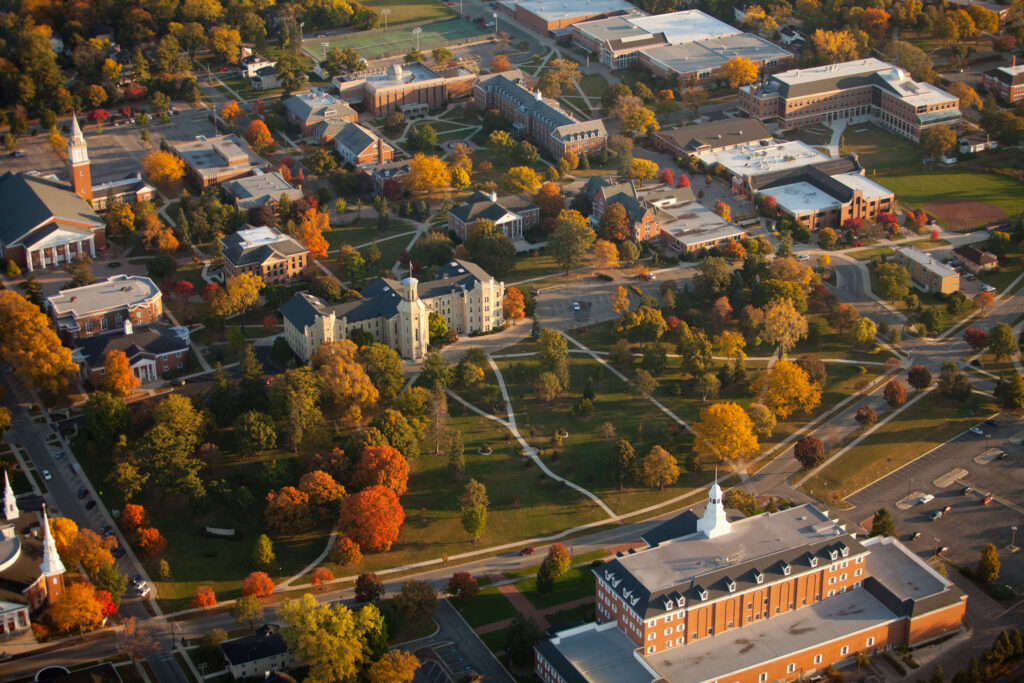
Wheaton College leads counseling education by naturally blending Christian principles with modern therapeutic approaches. The School of Psychology, Counseling, and Family Therapy combines Christian belief and practice with current scholarship and professional standards in clinical psychology, counseling, and marriage and family therapy. This approach creates an environment where faith and scientific rigor work together.
The Master of Arts in Clinical Mental Health Counseling (CMHC) program gives you the skills needed for professional counseling roles. Graduates work in hospitals, mental health agencies, churches, international ministries, and private practice. The program requires 60 credit hours and earned accreditation from the Council for Accreditation of Counseling and Related Educational Programs (CACREP) in 2016. The accreditation runs until March 31, 2033.
Students who join Wheaton’s counseling programs become part of an institution that encourages human flourishing. The school wants to develop lifelong learners who reflect Christ and promote wellbeing, especially in churches and marginalized communities worldwide. This mission shapes both what students learn and how they learn it.
Students develop foundational biblical knowledge and learn to examine psychological theory from a Christian worldview. The program helps them apply faith integration to personal growth and understand how Christian principles guide professional work. These elements create a comprehensive educational experience that builds both technical skills and spiritual growth.
Take Christopher Bobkowski’s story. After teaching for 20 years in an inner-city public high school and volunteering in ministry, he returned to Wheaton Graduate School looking for change. Now a Licensed Professional Counselor, he credits his success to “deeply experienced, clinically gifted faculty” and supportive classmates.
The CMHC program fulfills educational requirements for licensure as a Clinical Professional Counselor in most states and certification as a National Certified Counselor (NCC). Graduates often become licensed as Clinical Professional Counselors (LPC/LCPC) or Mental Health Counselors (LMHC), depending on state rules. Some graduates also pursue doctoral studies in counselor education or clinical psychology.
Wheaton’s Counseling Center shows these principles in action by offering evidence-based therapy in a higher education setting. The center helps remove emotional, psychological, and behavioral barriers to support students’ intellectual growth and academic success.
Wheaton College’s counseling programs provide both professional expertise and spiritual insight to address today’s complex mental health care challenges.
What counseling programs does Wheaton College offer?
Wheaton College Graduate School provides a complete range of psychology and counseling programs. These programs help students become skilled mental health professionals while embracing a Christian viewpoint.
Students can choose from four graduate degree programs in the psychology department:
- MA in Clinical Mental Health Counseling (CMHC) – A 60-credit hour CACREP-accredited program that prepares students to work in hospitals, mental health agencies, churches, international ministries, and private practice.
- MA in Marriage and Family Therapy (MFT) – A 60-credit residential program that follows a cohort model. The program uses individual-in-context and systemic theory as its foundation to address relational and clinical issues.
- PsyD in Clinical Psychology – This program centers on professional practice and clinical training.
- PhD in Clinical Psychology – A new program that began in August 2021 that blends research focus with clinical practice.
Wheaton’s specialized certificate options include:
- Trauma Certificate – Three specialized classes make up this certificate: Introduction to Trauma & Crisis Counseling, Advanced Trauma-Focused Assessment & Intervention, and Disaster, Crisis, & Trauma Intervention.
- Marriage & Family Therapy (Post-Masters) Certificate
The CMHC program meets most states’ educational requirements to become a licensed Clinical Professional Counselor. Students complete 45 credit hours of core courses, 9 credit hours of practicum and internship experience, and 6 credit hours of theological studies.
The MFT program has held continuous accreditation from the Commission on Accreditation for Marriage and Family Therapy Education (COAMFTE) since 2016. Students benefit from hands-on experience at Illinois’s only faith-based training clinic of its kind.
The graduate counseling programs integrate Christian faith with professional practice. This approach creates graduates who stand out as Christians in their counseling work. Wheaton’s psychology programs help students develop balanced spiritual, personal, professional, and interpersonal growth throughout their training.
Internships/Practicum at Wheaton
Clinical training is the core of Wheaton College’s counseling programs. Students get extensive hands-on experience through practicum and internships. The Master of Arts in Clinical Mental Health Counseling program needs 51 semester hours of coursework, a three-hour graduate practicum, and a six-hour graduate internship, totaling 60 hours. Students who need extra time to complete their internship hours can register for additional credits based on guidance from the Clinical Training Coordinator and Program Director.
Students gain experience in clinical settings of all types. Wheaton’s School of Psychology, Counseling, and Family Therapy helps students find placements in outpatient practices, medical centers, hospitals, Veterans Affairs facilities, church counseling centers, community mental health centers, inpatient treatment facilities, and university counseling centers. These varied settings help students develop skills while serving different populations.
The annual Practicum Information Exchange (PIE) brings dozens of Chicago’s training partners to campus. Students can talk directly with representatives from potential placement sites about next year’s opportunities. This networking event helps students find placements that match their career goals.
Students must receive at least one hour of weekly supervision from a licensed clinical psychologist at their training site. Group supervision of one and a half hours can replace individual supervision if needed.
Program data from 2014-2017 shows students completed 143 practicum experiences in settings of all types:
- Community mental health: 29%
- Independent practice: 30%
- Hospital/medical center: 14%
- College counseling center: 12%
- Forensic/correctional facility: 6%
- University counseling center: 6%
- Other settings: 3%
Many sites serve underserved and marginalized populations, which supports the program’s mission. The program’s location near Chicago gives students unique chances to work in urban settings while getting support from their academic community.
What sets Wheaton College apart?
Wheaton College stands out with its excellent academics and faith integration in its counseling programs. The Clinical Mental Health Counseling program holds CACREP accreditation until March 2033. This ensures graduates meet professional standards across the country.
The Marriage and Family Therapy program has earned high marks, ranking #7 among Best Value Marriage and Family Therapy Schools in the Great Lakes Region. It also secured the #7 spot on the “Best Marriage and Family Therapy/Counseling Schools in the Great Lakes Region” list. These rankings show the program’s strong academic reputation.
Students at Wheaton get exceptional education with a 10:1 undergraduate student-to-faculty ratio. This creates opportunities for personal attention and mentorship. The college’s impressive 90% freshman retention rate shows how satisfied students are with their experience.
The Marriage and Family Therapy Clinic adds another unique advantage – it’s Illinois’ only faith-based training clinic. Students get valuable supervised clinical experience here while helping the community through affordable therapy services.
Wheaton’s financial outlook is strong. The undergraduate student loan default rate is just 0.5%, much lower than the national average of 10.1%. Marriage and Family Therapy students with financial aid can expect to pay around $25,692 per year – an investment that pays off.
What makes Wheaton special is how it blends Christian belief and practice with modern scholarship and professional standards. Graduates like Christopher Bobkowski credit their success to the “deeply experienced, clinically gifted faculty” and supportive classmates. This preparation helped him become a Licensed Professional Counselor.
Next steps
Wheaton College’s counseling programs welcome your application. Each program has specific timelines you need to know about.
The Clinical Mental Health Counseling program offers two application windows. Submit your application by the Priority Deadline of November 1 to receive early decisions. Virtual interviews happen that same month. The Regular Deadline is February 1, and on-campus interviews take place on February 27, 2026.
The Marriage and Family Therapy program works with the same deadlines. You’ll receive decision emails in December for priority applications and March for regular ones.
Your application package needs several key documents. Make sure to include a letter of interest, your resumé, and three recommendation letters from people who know your academic and practical abilities. The college also requires official transcripts from every institution where you completed your degrees.
International students should note their deadline of January 1, 2026. They must also prove English proficiency through tests like TOEFL iBT (minimum score 80), IELTS (minimum 6.5), or Duolingo English Test (minimum 105).