
Counseling Programs Available at Western Illinois University – Quad Cities
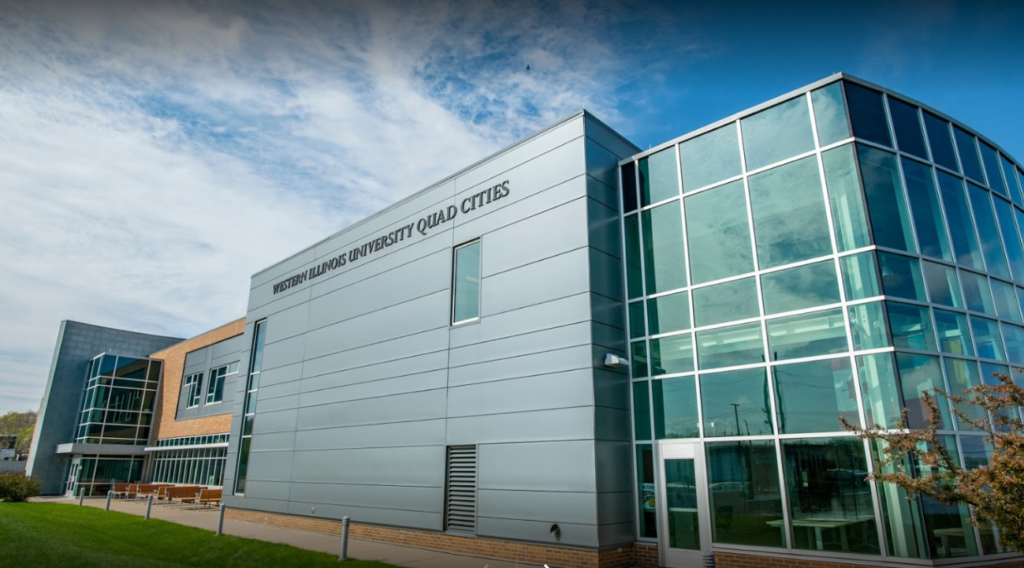
The Counselor Education program at Western Illinois University’s Quad Cities campus follows a clear mission: “Counselors teaching counselors: knowledge, development, inspiration, and transformation.” Dr. Jeffrey W. Hancks chairs the Department of Counselor Education, College Student Personnel, and Social Work. He brings 18 years of experience from his roles at WIU since 2005.
The department’s vision states: “The Counselor Education programs at Western Illinois University – Quad Cities will be the leader in educational quality, opportunity, and affordability among its peers”. This vision shapes their curriculum design and teaching methods at the school.
WIU-QC’s counselor education program combines academic excellence with hands-on practice. The faculty uses several teaching methods:
- Face-to-face, hybrid, and online course delivery
- Diverse teaching techniques such as lectures, case studies, role-plays, discussion forums, and audiovisual media
Quality education and professional preparation are guaranteed through prestigious accreditations. The Counseling Programs hold accreditation from the Council for Accreditation of Counseling and Related Educational Programs (CACREP). The School Counseling option also has accreditation from the Illinois State Board of Education.
WIU-QC seeks candidates with specific qualities for their counseling program. You might be a great fit if you love helping others, work well in teams, show empathy, radiate kindness and warmth, and listen well.
The program’s supportive environment often receives praise from students. Jessica Ramos, a Clinical Mental Health Counseling graduate student, shares: “I feel so supported by all of our faculty. I have grown so much in my journey to becoming a counselor and I attribute a lot of that to the excellent education I’ve received at WIU”.
Dr. Beck earned the Highly Influential Faculty Award from WIU’s College of Education & Human Services. This recognition highlights faculty members who bring creativity to their teaching while embracing diversity and mentoring students exceptionally.
WIU-QC prepares future counseling professionals through specialized training in Clinical Mental Health Counseling and Professional School Counseling. Their curriculum builds both theoretical knowledge and practical skills needed to excel in the counseling field.
What counseling programs does Western Illinois University – Quad Cities offer?
Western Illinois University – Quad Cities’ Department of Counselor Education gives students multiple specialized graduate programs to launch their counseling careers.
Students at the Quad Cities campus can earn a Master of Science in Education (M.S.Ed.) in Counseling with two specialization paths:
- Clinical Mental Health Counseling – This track helps you build a career in clinical settings like mental health centers, rehabilitation hospitals, recovery centers, private practices, university counseling centers, and employee assistance programs. Students gain professional knowledge, skills, and practices they need to help clients in various clinical mental health counseling situations.
- School Counseling – This path gives you the expertise to become an elementary or secondary school counselor in public and private schools. Students learn to boost academic achievement, career readiness, and personal growth of K-12 students. This is the only program at Western Illinois University that prepares students for school counselor licensure.
The Quad Cities campus also features a College Student Personnel Master of Science (M.S.) with a Higher Education Leadership Track.
Students in both counseling programs need to complete 60 semester hours of coursework. The curriculum has core courses worth 48 semester hours that cover introduction to counseling skills, research and program evaluation, crisis and trauma counseling, marriage and family counseling, career development, and assessment techniques.
Students get valuable hands-on experience through extensive practicum and internship opportunities that help develop their clinical skills.
Graduates meet all academic and clinical requirements for professional licensure. Clinical Mental Health Counseling graduates can offer individual, group, and family therapy in different settings. School Counseling graduates help students grow academically, professionally, and emotionally through direct counseling, classroom guidance, and school-wide programs.
The Council for Accreditation of Counseling and Related Educational Programs (CACREP) confirms these programs’ quality. The School Counseling option also maintains accreditation from the Illinois State Board of Education.
Internships/Practicum at WIU-Quad Cities
Field experience is the foundation of counseling education at WIU-Quad Cities. Students can apply classroom theories in real-life settings. These supervised experiences help develop professional competence before graduation.
School Counseling track students must complete a minimum of 750 combined practicum and internship hours. They need at least 250 hours at each developmental level (K-5, 6-8, and 9-12) to qualify for K-12 licensure in Illinois. Students also need to pass the School Counselor Content Exam before starting their internship experience.
Several steps must be completed before starting any clinical work. Students must get student liability insurance and submit proof to the Department Chair within the first two weeks of each academic year. On top of that, students must complete criminal background checks and Field Experience Disclosure Forms before enrolling in clinical courses. The Department Chair must be notified right away if there are any changes in background status during enrollment.
The WIU University Counseling Center is a great way to get training through practicum and internship positions. These positions are non-paid but provide intensive supervised experience with approximately 20-37.5 hours per week of work. Students receive at least two hours of one-on-one supervision each week. The center’s multidisciplinary staff brings expertise in areas of all types, including addictions, mood disorders, anxiety disorders, eating disorders, women’s issues, wellness, and assessment.
Summer internships give College Student Personnel program students a chance to expand their skills beyond the academic year. A student who completed an internship at Portland State University shared: “I highly recommend that every CSP student pursue an internship. Accept new ideas and get experience that will benefit you in the future”. Students have found placements at institutions nationwide, working in housing, orientation, leadership development, and other student affairs domains.
WIU-Quad Cities graduates will have both theoretical knowledge and practical skills needed for counseling careers, thanks to these well-laid-out field experiences.
What sets WIU – Quad Cities apart?
WIU-Quad Cities’ counseling programs excel with their unique educational philosophy and approach. The department lives by its motto “Counselors teaching Counselors: knowledge, development, inspiration and transformation”. This reflects their dedication to authentic professional preparation.
The substance of WIU’s approach lies in developing “reflexive practitioners” who understand their values and identities. This philosophy enables you to recognize your role in community-based social justice. You’ll learn to address the specific needs of marginalized populations effectively.
WIU-Quad Cities stands out through:
- Affordability among peers
- Strong emphasis on theory-to-practice integration
- Focus on solid academic performance paired with hands-on mastery
- Development of evidence-based, ethical, and multicultural clinical skills
Students value the campus environment deeply. A student shared their experience: “I love that the QC campus accommodates working adults and students with families. It’s like a commuter campus with so many students coming from all over the QC and surrounding areas”.
The program encourages professional identity growth through participation in professional organizations and ethical practice. WIU’s LGBTQ+ Clinic showcases the program’s community engagement approach.
The program produces counselors who view clients comprehensively. These professionals support client well-being and cooperate with community organizations through meaningful practical experiences.
Next steps
Planning to earn your counseling degree at WIU-Quad Cities? Your journey starts when you submit required documents to the School of Graduate Studies.
The Graduate Office needs your completed online application. You must also provide:
- Official transcripts from all previous colleges/universities
- Personal goals statement explaining your career aspirations
- Three letters of recommendation
Important dates to note: Applications received by February 3 receive priority consideration. Selected candidates will attend admission interviews on February 20, 2026 with an alternate interview day a bit laster in the week.
A bachelor’s degree from a regionally accredited university and a cumulative undergraduate GPA of 3.0 or higher (or 3.25 for the last 60 semester hours) are essential requirements. Students with a completed master’s degree need a 3.0 or higher graduate GPA.
The program will notify accepted students by email, and they must complete a background check. Most students begin their studies in the fall term. Students who take nine semester hours each term can complete the program in about three years, though they have up to six years to finish.