
Counseling Programs Available at Chicago State University
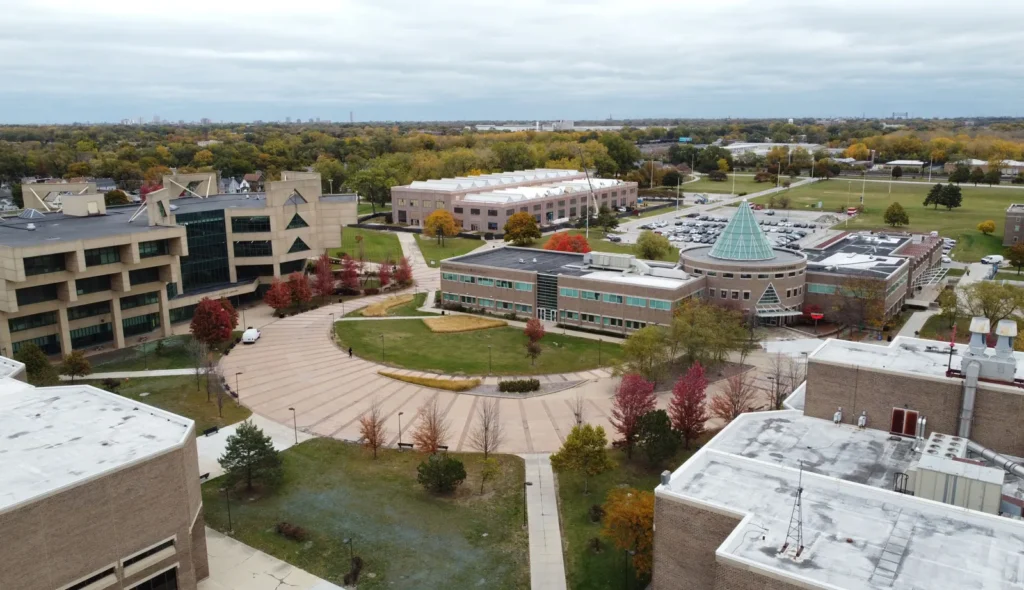
Chicago State University’s Counseling Graduate Program excels in counselor education. The program’s high-quality training is impressive, backed by its accreditation from the Council for Accreditation of Counseling and Related Educational Programs (CACREP). This recognition covers both Clinical Mental Health Counseling and School Counseling tracks and will give a quality education that meets national standards.
The program’s urban-focused mission sets it apart. Students learn to work with urban youth and their families effectively. This focus equips graduates with skills they need in a variety of community settings.
Multicultural awareness runs through each course in the program. Students learn about social justice, power dynamics, institutional racism, and intergenerational trauma. The program also tackles oppression and ways to enable change, giving students a complete framework to understand their clients’ experiences.
CSU’s faculty brings something special to the table. They have rich experience in urban and diverse settings and take a trauma-informed approach to teaching. The small class sizes let teachers work closely with students to make their emotional and professional growth easier.
Clinical training is the core of the program structure. A three-course clinical sequence gives students evidence-based and complete training in essential counseling skills. This strong foundation helps graduates step into their careers with confidence.
The School and Clinical Mental Health tracks both need 60 semester credit hours. Graduates from both tracks can take exams to become National Certified Counselors (NCC) and Illinois Licensed Professional Counselors. School Track graduates can also qualify for the Illinois Professional Education License in School Counseling.
The program takes pride in being part of Chicago State University, a predominantly black institution where “the lives of all of our students matter”. This dedication to diversity matches perfectly with the counseling program’s emphasis on multicultural skills and social justice.
Students looking to earn a masters in counseling in Chicago will find CSU’s program combines academic excellence, clinical strength, and cultural awareness to prepare them to make real changes in diverse communities.
What counseling programs does Chicago State University offer?
Chicago State University’s Department of Psychology and Counseling has two different counseling programs that lead to a Master of Arts degree in Counseling. Each program focuses on specific career paths but shares the same commitment to excellence and clinical training.
The Clinical Mental Health Counseling program helps students build careers in community agencies, mental health clinics, and substance abuse facilities. Students become skilled at clinical intervention and learn to help urban youth and families with their unique needs. The program has essential courses like Principles of Clinical Mental Health Counseling, Counseling Theories and Ethics, and Treatment Interventions for Urban Youth and Families.
The School Counseling program gives students the skills to handle various mental health needs in school settings. This Illinois State Board of Education Approved Educator Preparation Program teaches students to create primary intervention programs that affect entire school communities by using the American School Counseling Association Model. Students take courses like Introduction to School Counseling and Advanced School Counseling Applications.
Both programs share professional core courses such as Microcounseling, Advanced Theories of Lifespan Development, Principles of Group Counseling, and Multicultural Issues in Counseling. Students must complete a 100-hour practicum field placement and then move on to a longer internship (900 hours for Clinical Mental Health and 600 hours for School Counseling)[54].
CSU also has specialized certificates and endorsements. Students who already have a master’s degree in Counseling or related fields can join the Endorsement in School Counseling Certificate Program. They need 18 more credit hours beyond the 42 prerequisites to get a Professional Educator License with school counseling endorsement.
Students in both tracks can pursue a Bilingual Specialization. They need to complete SPAN 5101 – Helping Hispanic Families with a B grade or better, meet the American Council on the Teaching of Foreign Languages requirements for Advanced Plus Level in Spanish, and finish a practicum serving Latinx clients.
After finishing the program, graduates from both tracks can take exams to become National Certified Counselors. Clinical Mental Health and School Counseling graduates qualify for Illinois Licensure as Licensed Professional Counselors. School Counseling graduates can also get a Professional Educator License with School Counseling endorsement after passing the Illinois School Counselor Content-Area Test.
Internships/Practicum at CSU
Field experience is a vital part of the masters in counseling at Chicago State University. Students get hands-on training in real counseling settings through a clinical sequence that starts with practicum and moves into a longer internship.
The counseling program requires students to complete a 100-hour practicum experience at an approved site. They must spend 40 hours in direct individual or group client contact. The other 60 hours include activities like report writing, agency meetings, and supervision.
Students move to internship after completing their practicum successfully. The Clinical Mental Health Counseling track needs 900 hours of internship experience. The School Counseling track requires 600 hours. School Counseling students must complete at least 240 direct service hours, while Clinical Mental Health students need 360 direct service hours.
Students need to meet specific requirements before starting practicum. They must pass the laboratory course (COUN 5790) with a B grade or higher. They should also complete or be enrolled in all required courses except internship. A mandatory orientation follows where they learn about application requirements, background checks, and tuberculosis tests.
Students receive multiple supervision levels during practicum and internship. Weekly supervision includes one hour with their field supervisor, one hour of individual supervision (dyadic or triadic), and one and a half hours of group supervision with their university supervisor.
Each site must have specific qualifications. The on-site supervisor needs at least two years of post-masters experience as a licensed professional counselor (for Clinical Mental Health) or as a school counselor with a Professional Educators License (for School Counseling). Sites must also let students record their counseling sessions through audio or video.
Students can’t start internship if their GPA falls below 3.0 or if they have incomplete grades. School Counseling students must also pass the Illinois Professional Educators License Exam before they can register for internship.
What sets Chicago State apart?
CSU’s counseling programs excel with their urban-centric approach and high academic standards. The program’s CACREP accreditation will give students education that meets strict national standards.
Students benefit from a close-knit 10:1 student-faculty ratio that creates an environment where personal growth runs on individual attention. Small classes help faculty members work closely with each student to support their emotional and professional growth.
The program’s trauma-informed approach heads over to every training aspect. Faculty members bring their rich experience from urban settings straight to the classroom. Every course weaves together social justice, power dynamics, institutional racism, and intergenerational trauma.
Students develop their skills through a three-course sequence that emphasizes clinical practice. Graduates can qualify for several credentials: National Certified Counselor examination, Illinois Licensed Professional Counselor licensure, and School Counselor endorsement for education license.
CSU takes pride in its identity as a predominantly Black institution “where the lives of all students matter”. This steadfast dedication matches the program’s multicultural focus and social justice orientation perfectly.
The university’s 161-acre campus is available through several transportation options. Students can use the Metra train, CTA bus, Red Line, or interstates 94, 90, and 57 to reach this ideal location to study urban counseling approaches.
Next steps
Chicago State University excels at training future counselors through its culturally-responsive approach. The counseling programs blend academic excellence with real-world experience to prepare graduates who can handle the challenges of urban counseling.
Students can choose between two CACREP-accredited tracks that share core values of multicultural competence and social justice. The small 10:1 faculty-student ratio gives students personal guidance throughout their time at CSU.
Hands-on field training helps students turn classroom theory into practical skills. Students learn to work with trauma, power dynamics, and institutional racism. These skills give graduates the tools they need to make real changes in a variety of communities.
The university’s identity as a predominantly Black institution creates a space where diversity runs on authenticity. This genuine focus on inclusion pervades every part of the counseling program.
CSU counseling graduates start their careers with multiple credential options and the cultural awareness they need to work in urban settings. Students looking for a counseling education that combines academic excellence with social awareness will find CSU’s program matches their goals perfectly. The program lives up to its mission by preparing counselors who understand urban youth and families’ complex needs while promoting social justice.